Full Frame, Cropped Truth: Why Pan-and-Scan Tapes Belong in the Archive
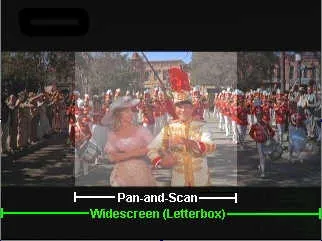
Photo: me, CC BY-SA 4.0, via Wikimedia Commons
Pan-and-scan used to be the thing serious collectors apologized for. The widescreen laserdisc was correct. The letterboxed DVD was correct. The full-frame VHS was the butchered version, the one you kept for nostalgia or because it was three dollars at a yard sale. Lately, that old hierarchy has started to wobble. Collectors are taking another look at cropped tapes, not because cropping is good, but because those tapes are honest records of how most Americans actually watched movies at home.
What Pan-and-Scan Actually Did
Pan-and-scan was a transfer technique, not a random act of vandalism. To fit a widescreen image onto a 4:3 television, technicians moved a cropping window across the frame, following the action. Sometimes they chose a center crop. Sometimes they panned to whoever was speaking. Sometimes they used an open-matte transfer, which exposed more of the top and bottom of the frame instead of cropping the sides. Neither approach was the director's intended composition. Both were interpretations made for a specific screen. That is exactly why they are interesting. A pan-and-scan tape contains decisions: where to look, what to sacrifice, what to keep.
Why Collectors Are Revisiting the Crop
For years, the collector's rule was simple: widescreen or nothing. That rule still matters. But preservation is not only about the best version. It is also about the version people saw. A full-frame VHS can document a film's home-video life in ways a remastered Blu-ray cannot. It may preserve a unique color timing, a different sound mix, a trailer, a warning screen, or packaging that tells you how the studio sold the movie to renters. In some cases, an open-matte tape reveals extra image that later widescreen releases cropped out. That does not make it correct. It makes it a different record. For historians of distribution, the wrong version can still be a true artifact.
The Case Against Glorifying the Crop
None of this is an argument for throwing away widescreen. Pan-and-scan can destroy composition. It can cut off visual jokes, crowd scenes, and the careful empty space that makes a shot work. A collector who says full frame is always better is just flipping the old snobbery upside down. The point is not to crown the crop. The point is to stop pretending it never happened. The best archive holds both: the director's intended framing and the living-room version that millions of people actually met first.
A Practical Guide for Curious Collectors
Start with the box. Look for phrases like full screen, formatted to fit your TV, or modified from its original version. Check the tape label and the copyright line. Compare the tape with a widescreen release if you can. Learn to tell pan-and-scan from open matte. Pan-and-scan moves the frame; open matte often shows more top and bottom. Note the difference in your collection records. Keep the tape clean and store it upright. Do not pay crazy prices for common cropped tapes. Focus on titles where the home-video version has historical weight: controversial transfers, altered soundtracks, unique packaging, or movies that were staples of the rental wall.
The Archive Needs the Wrong Version
Preservation used to mean protecting the definitive version. Increasingly, it means protecting the trail. The pan-and-scan tape is part of that trail. It shows how a widescreen art form was translated for a square living room, and how audiences fell in love with movies they were not seeing exactly as the director framed them. That is not a pretty story, but it is a real one. In 2026, the collector who shelves a full-frame VHS next to a widescreen Blu-ray is not confused. They are keeping both halves of the conversation.
The crop was never the ideal. But it was the welcome mat. And welcome mats belong in the archive too.